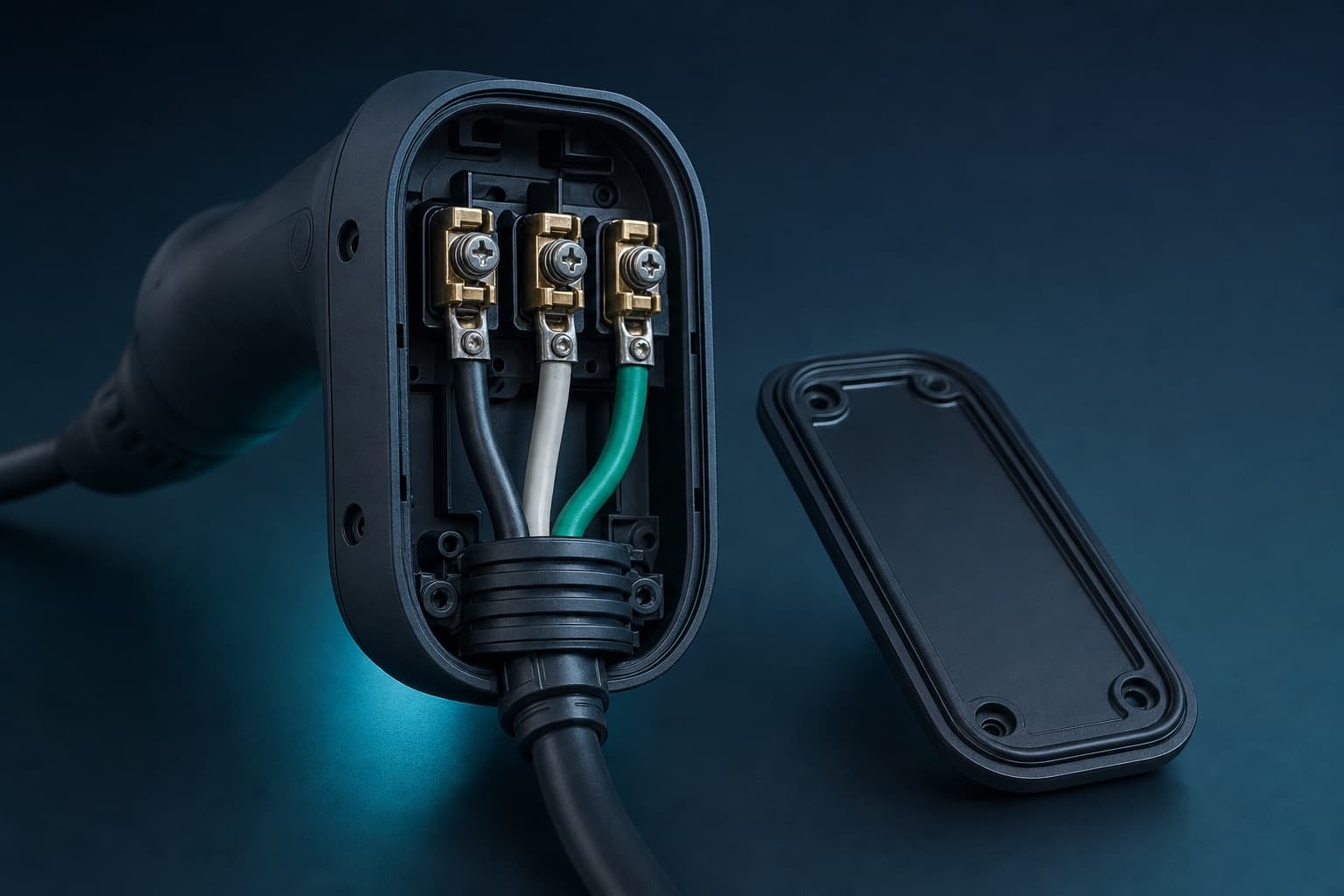
Installation requirements: the parts that are not optional
Some parts of this installation are matters of preference. These are not. What follows is the shape of a compliant installation, described in general terms, because the binding version is the code edition your jurisdiction has adopted, plus its local amendments.
The rule that governs everything below
Electrical requirements in the United States come from the National Electrical Code as adopted, and frequently amended, by a state or local jurisdiction. Two towns can be on different editions. A requirement that applies in one place may not yet apply, or may apply differently, in another.
So this page describes what to expect and what to ask about. It does not tell you what your jurisdiction requires, and any page that does so confidently for the whole country is guessing.
A dedicated circuit
The charger gets its own circuit, serving nothing else. This is not a preference of electricians; it follows from the fact that the equipment draws its maximum for hours at a time.
It is also why “can I just plug it into the outlet that is already there” usually ends badly. That outlet was installed for something else, sized for something else, and probably shares its circuit.
Breaker and conductor sizing
Because charging is treated as a continuous load, the breaker and the conductors are sized above the current the equipment actually draws. The practical consequence is that a charger's headline rating is not the number that matters for the panel, the circuit rating is.
Conductor size then follows the circuit rating, the distance and the installation conditions. A long run may need larger conductors than a short one at the same rating, which is one more reason distance shows up in the price.
Protection, disconnection and labelling
- Protective devices appropriate to the installation type, requirements differ between hardwired equipment and equipment plugged into a receptacle, and have changed between code editions.
- A means of disconnection, where required by the installation and the equipment rating.
- Correct labelling of the breaker in the panel, trivial, frequently skipped, and genuinely useful the first time somebody else works on the house.
- Equipment listed for the purpose, installed according to its instructions. The instructions are part of the requirement, not a suggestion.
Outdoor and wet locations
Outdoor installations need enclosures, fittings and equipment rated for exposure, penetrations sealed properly, and mounting that keeps the connector out of standing water. Underground runs have depth and conduit requirements of their own.
Snow, road salt and direct sun are also design questions, and they are the reason a unit rated for outdoor use can still be badly sited.
Inspection: what it is actually for
An inspector is not there to admire the work. They are confirming that what was installed matches what the permit described and what the adopted code requires. It is also the moment a homeowner discovers whether the cheapest bid included the permit, which is why sequencing matters, and is covered on permits and planning.
Frequently asked
Does a Level 2 charger need GFCI protection?
The answer depends on the installation type, the equipment and the code edition adopted locally, and it has changed between recent editions. [To be resolved with a specific citation before publication.] Ask the electrician which edition applies where you live and what it requires for the configuration being proposed.
Does the installation have to be inspected?
Where a permit is required, yes, that is what the permit is for. Whether one is required is a local question, and “nobody bothers around here” is not an answer that helps at the point of sale of the property.
Can I install the outlet myself and have an electrician connect the charger?
The outlet is the regulated part. Splitting the work that way does not make the regulated half unregulated, and it complicates both the permit and the responsibility if something later goes wrong.
Last reviewed July 29, 2026.
Have the requirements checked against your jurisdiction
A licensed electrician working in your area knows which code edition applies and what the local amendments add. That is a question worth asking before buying equipment.
Level 2 Charge Pro installs Level 2 charging equipment: the dedicated 240-volt circuit, the panel work it depends on, the cable run, and the inspection that closes the job.