Level 2 EV charger installation: what is actually being installed
A 240-volt circuit, a breaker in the panel, a run of cable and a device on the wall. That is the whole installation. Everything that makes one job simple and another expensive happens between the panel and the parking space.
What Level 2 actually means
Level 1 is the cord that came in the trunk, plugged into an ordinary household outlet. It works, it needs no electrician, and it adds range slowly enough that an empty battery is an overnight-and-then-some proposition.
Level 2 is a 240-volt circuit, the same class of supply as an electric range or a dryer, dedicated to charging, with equipment designed for it. That is the entire difference. There is no clever technology being purchased; there is a bigger, dedicated circuit and a device that manages it safely.
DC fast charging, the kind found at highway stops, is a different category altogether. It is not a residential product, the equipment and the service required put it in commercial territory, and any conversation that drifts there during a home quote has gone off course.
The four parts of the job
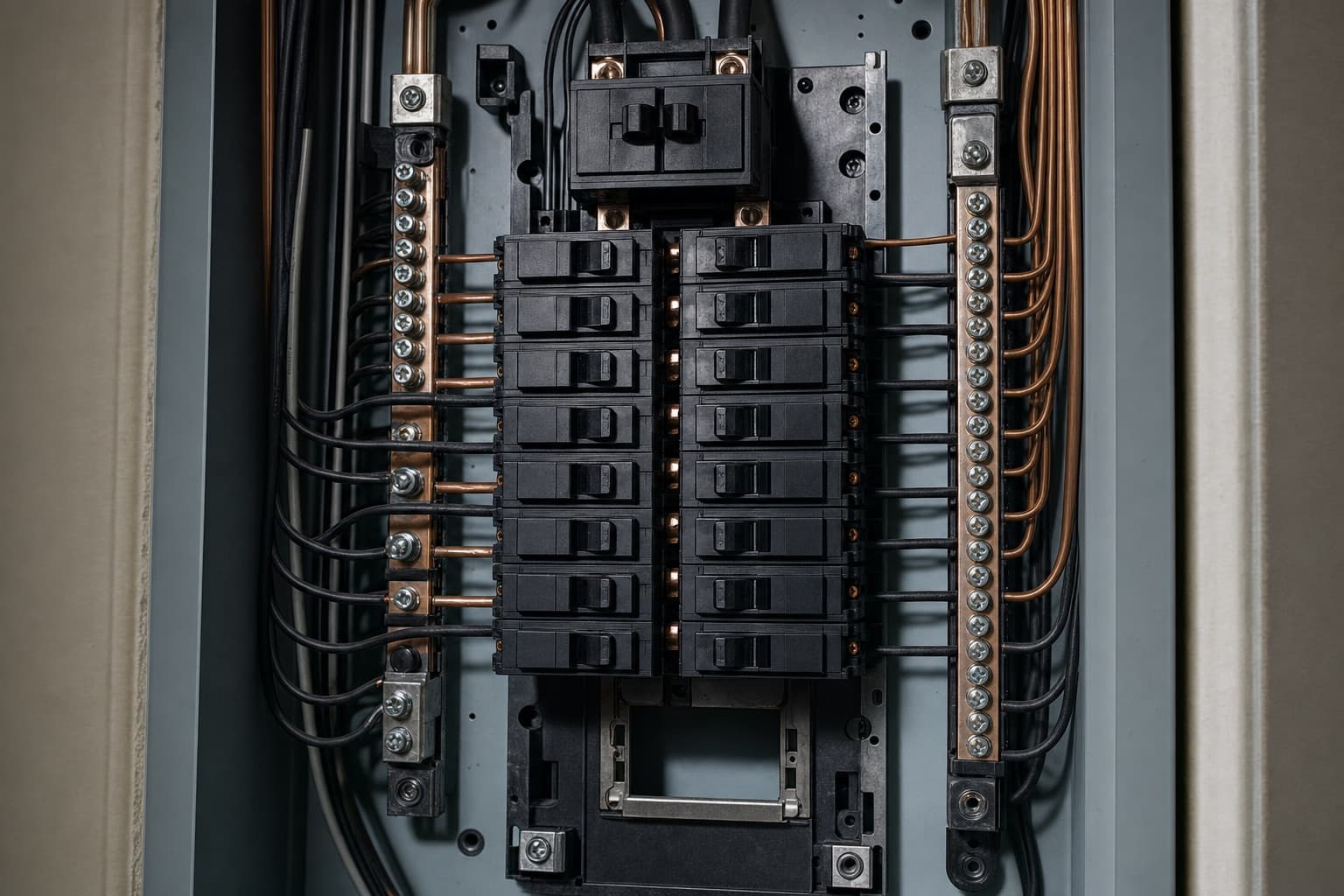
- A breaker in the panel, sized for the charger. This is where the project either proceeds quietly or turns into a capacity conversation.
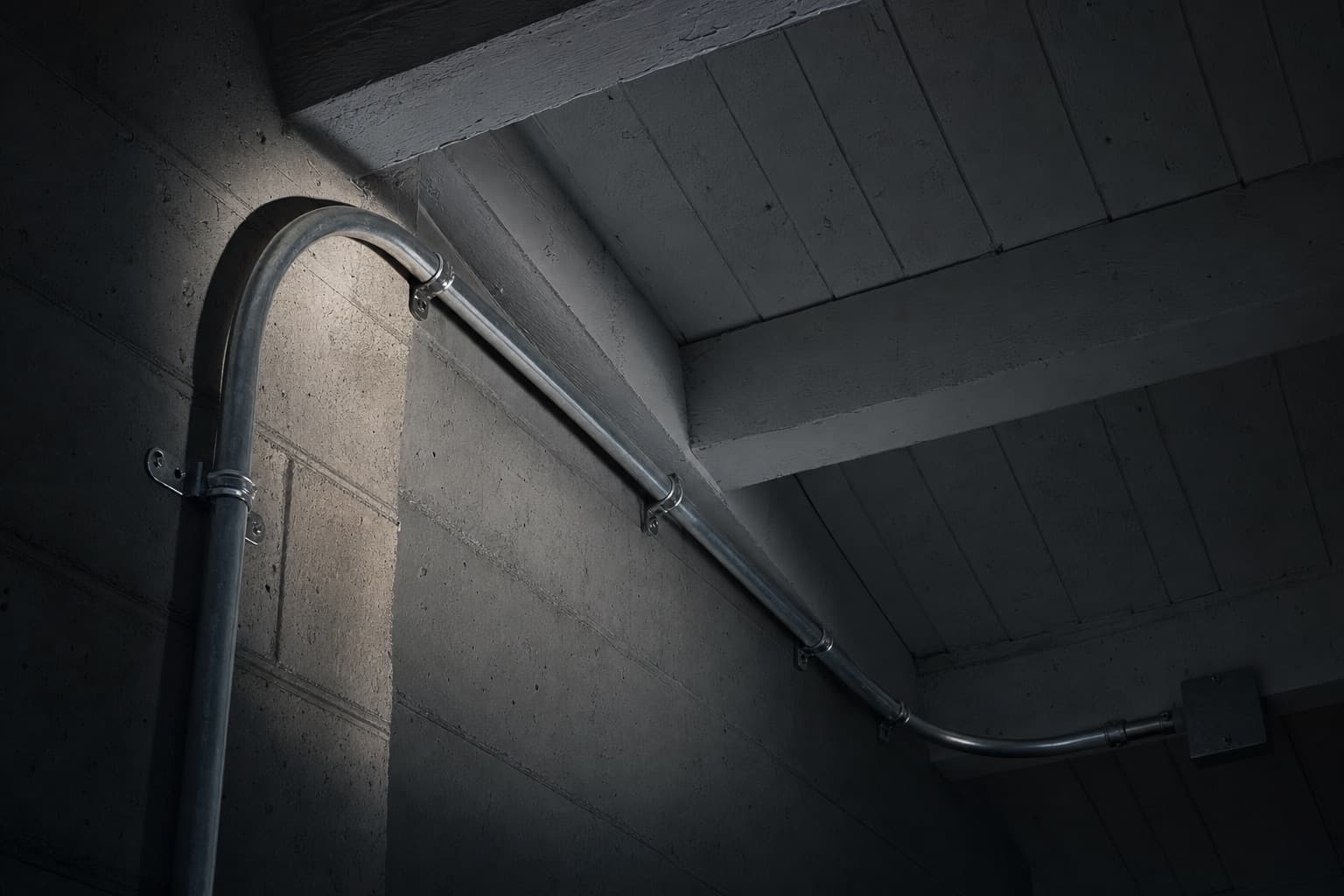
- A circuit run from the panel to the charging position, cable or conduit, through walls, along them, or underground.
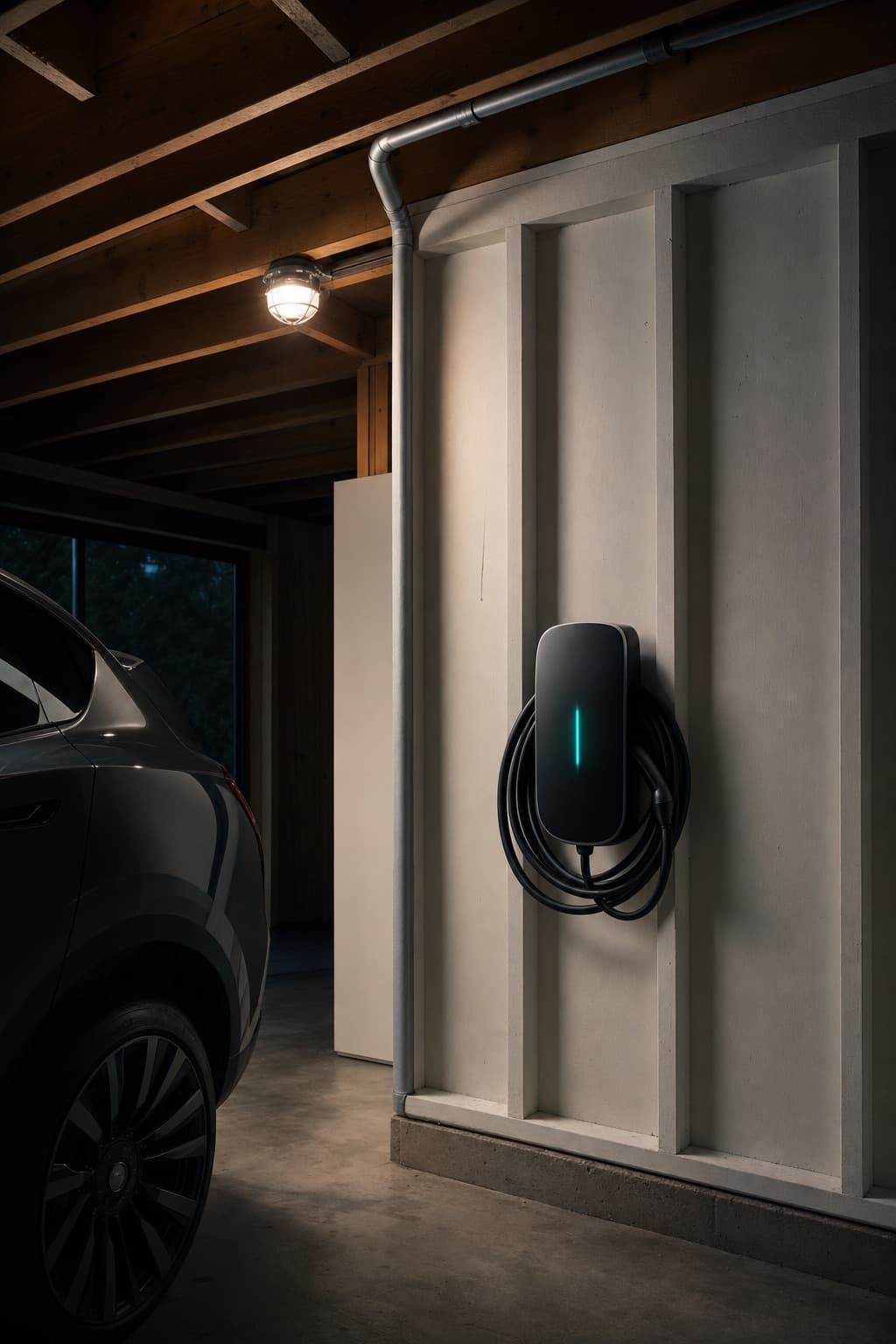
- The charging equipment itself, either hardwired or plugged into an outlet installed for it.
- The paperwork: a permit where one is required, and an inspection to close it.
Of those four, the equipment is the part buyers research hardest and the part that varies least in cost. The run and the panel are where two quotes for the same house stop resembling each other, which is the subject of what drives the cost.
Hardwired or plug-in
Level 2 equipment is either wired directly into the circuit or fitted with a plug that goes into a 240-volt outlet installed for it. Both are normal. They differ in ways worth understanding before an electrician asks which you want.
Hardwired
- Generally the option available at the highest power levels, because there is no plug and outlet in the path.
- Preferred outdoors, where a permanent connection avoids an outlet exposed to weather.
- Replacing the unit later means an electrician rather than an unplug.
Plug-in
- The charger can be unplugged, replaced or taken with you when you move.
- The outlet has its own requirements, and a receptacle installed for continuous use is not the same purchase as one added for a welder used twice a year.
- In some jurisdictions and configurations, additional protection is required for a receptacle-connected installation.
How fast is fast enough
Charging rate is decided by the lower of two numbers: what the circuit can deliver, and what the vehicle's onboard charger can accept. Buying equipment rated far above what the car accepts adds cost and no speed.
For most drivers the honest sizing question is not maximum power but daily replacement: how many miles are driven in a normal day, and how many hours the car sits at home. A car that drives forty miles and sits for twelve hours does not need the largest circuit available. A household with two vehicles and a short overnight window is a different calculation.
Where it does matter is in the capacity conversation: a larger circuit consumes more of the service, and that is exactly what the panel page is about. Oversizing on paper is how a straightforward job acquires a service upgrade.
What the electrician is actually assessing
When a licensed electrician looks at a home for this work, four things are being read, in this order.
- The panel: its rating, how full it is, whether there is physical space for a new breaker, and what the busbar can carry.
- The load: what the property already draws, established by calculation rather than by impression.
- The route: what the circuit has to pass through to reach the parking position, and what has to be opened, drilled or trenched to get it there.
- The finish: what the wall is made of, whether the ceiling is finished, and how much of the work will be visible afterwards.
What a finished job should leave you with
- A dedicated circuit, correctly sized for the equipment, with the breaker labelled.
- Equipment mounted at a sensible height for the cable to reach the vehicle's port from where it actually parks.
- A permit closed and an inspection passed, where the jurisdiction requires them.
- The paperwork: what was installed, at what rating, by whom, with a license number.
- A working demonstration, the car charging, not the light on the unit turning green.
None of that is unusual to ask for, and all of it is harder to obtain after payment. The sequence that gets it is on permits and planning.
Frequently asked
Do I need an electrician, or is this a DIY job?
This is a 240-volt circuit in a permanent installation, in most jurisdictions subject to permit and inspection. It is licensed electrical work. [Licensing and permitting requirements vary by jurisdiction and must be verified locally before publication.] This site is not an electrical contractor and gives no instructions for performing the work.
Can I use the dryer outlet?
Sharing an existing circuit with an appliance is a specific, regulated arrangement, not a matter of finding a plug that fits. An electrician can tell you whether it is permissible where you live and whether it is sensible for your loads.
How long does the installation take?
A simple job, panel with room, short run, finished by lunchtime, is commonly a matter of hours. What extends it is a service upgrade, a trench, a long route through finished space, or waiting for a permit or a utility.
Last reviewed July 29, 2026.
Related pages
- RequirementsKnow what a compliant installation includes before signing.
- What drives the costUnderstand a quote and compare bids that do not look alike.
- Panel and capacityFind out whether a service upgrade is coming before it appears in a quote.
- Location and cable runPosition the charger so the installation stays simple.
Describe the property and find out which job this is
Where the car parks, where the panel is, and roughly how far apart they are. That is enough for an electrician to tell you which of the two jobs on this page you have.
Level 2 Charge Pro installs Level 2 charging equipment: the dedicated 240-volt circuit, the panel work it depends on, the cable run, and the inspection that closes the job.